
Short-stay and mid-term management in Randwick
Randwick is the rare Sydney market where the nightly rate is climbing rather than being competed down. In the twelve months to September 2026 the average rate rose 15.6% and occupancy rose 4.1 points with it. That combination is unusual, and it is not tourism doing it. It is a hospital, a university and a racecourse filling different weeks of the same year.
How we read this market
MetaWise has run short-stay property across Sydney since 2009, and reads Randwick with the same revenue tools it prices its own calendars with. The figures on this page come from the PriceLabs short-term rental index for the Randwick official boundary — 234 active listings, twelve months to September 2026 — so each one can be traced to its source rather than taken on trust. They are the market's numbers, not ours: we do not publish our owners' figures.
Demand
What actually fills a calendar here
Prince of Wales and the medical precinct
The hospital campus generates the kind of booking a holiday suburb never sees: a family staying for a treatment cycle, a visiting specialist on a rotation, a patient discharged but not ready to travel. These are week-and-month stays, booked close in, and they do not care that it is June.
UNSW terms, not school holidays
The university moves Randwick's calendar off the tourist clock. Term start, examination periods, graduations and visiting academics produce demand in February and July that the beach suburbs do not get, which is part of why February here reached 88.4% occupancy.
The racecourse and the event weeks
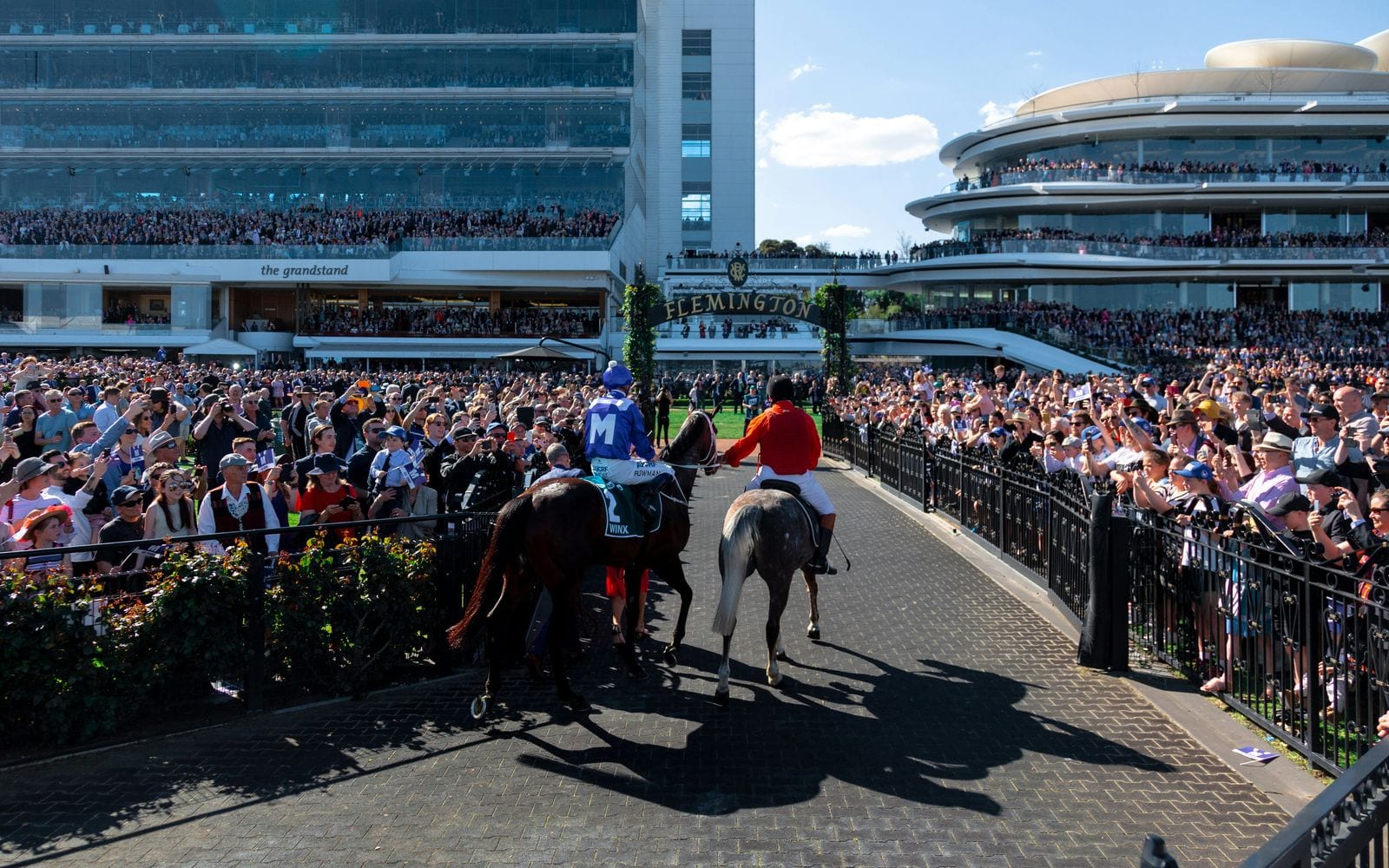
Royal Randwick concentrates a year's worth of premium weekends into a handful of dates. The autumn and spring carnivals are the clearest rate opportunity in the suburb, and they are the weeks where a static price leaves the most money behind.
A beach calendar without a beach address
Coogee is a few minutes away and prices like it. Randwick carries much of the same summer demand at a lower entry point, which is why December and January rates here, A$364.98 and A$361.62, sit roughly 20% above the annual average without the beachfront premium.
Property types
What works here
- One and two-bedroom apartments within walking distance of the hospital campus or UNSW
- Houses and terraces that suit a family on a treatment or relocation stay
- Apartments on the Coogee side that can carry a summer rate
Operations
What makes it hard
- Randwick's winter is real. June occupancy fell to 58.1%, a 30-point swing from February. A property priced for summer and left alone will sit empty for a quarter of the year.
- Hospital and university demand books at short notice. A calendar managed weekly rather than daily misses it.
- Parking is the single most common question from a medical or relocation guest, and the answer changes what the property can charge.
Rules
Compliance in this area
General information about how the NSW framework applies here, not advice on your building.
- Randwick sits inside Greater Sydney, so non-hosted short-term rental accommodation is capped at 180 nights a year and the property must carry an STRA registration number.
- Stays of 21 nights or more fall outside that 180-night count, which is why the hospital and university demand here matters strategically as well as commercially.
- Randwick City Council applies the state STRA framework; the by-law of the individual strata scheme is still the first thing to check, and it is the thing most likely to stop a property outright.
Coverage
Suburbs we service from here
Randwick · Kingsford · Kensington · Coogee surrounds · Clovelly surrounds
Questions
Randwick — the hospital, the university and the racecourse — frequently asked
Is Randwick a summer market?
Less than most of eastern Sydney. The hospital and the university put demand into February, March and July, and the racecourse carnivals add premium weekends in autumn and spring. The weak point is winter: June occupancy across the suburb was 58.1%, against 88.4% in February.
Why is the nightly rate rising here when it is falling elsewhere?
Over the twelve months to September 2026 the Randwick average rate rose 15.6% while occupancy also rose 4.1 points. In the neighbouring inner-city suburbs the pattern was the reverse: new listings arrived and operators cut rates to hold occupancy. Randwick's demand base is institutional rather than discretionary, which makes it less sensitive to that.
Does the 180-night cap make a Randwick property not worth it?
It changes what you optimise for rather than whether it works. The cap applies to non-hosted stays under 21 nights. A property drawing medical and academic stays can run a meaningful share of its year in bookings that never touch the count, which is a different planning problem from a pure holiday let.