
Furniture rental for short-stay and mid-term properties
Furnishing a property you are not yet sure about is the least recoverable money in short-stay letting. Renting turns it into a monthly cost that stops when you stop, delivered and installed at the start and collected at the end, with nothing left to store or sell. From three months, quoted for the property.
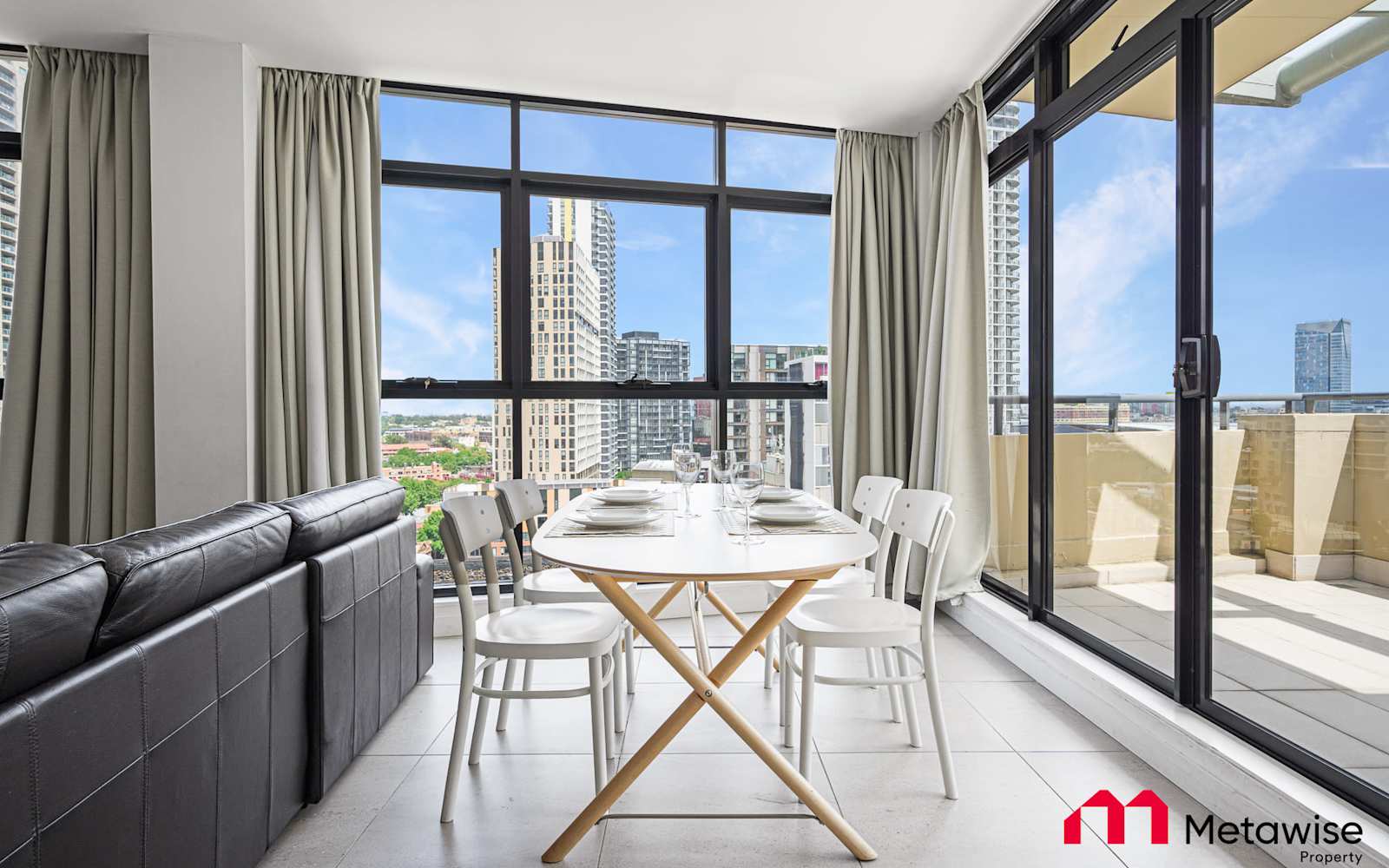
Who this is for
- Owners who want to run a property for a season before committing to a furnished one.
- Sellers with a long settlement, who would rather the property earned than sat empty until it changes hands.
- Owners letting for a fixed window — a renovation, a year abroad, a gap between tenants — who do not want furniture left over at the end.
Styling a property for sale and furnishing one to let are different jobs
Furniture staged for a sale is chosen to be photographed. Much of it is not meant to be used: light pieces that make a room read larger, a bed that is a frame and a topper, cupboards and drawers left empty because nobody is going to open them. It leaves on settlement and nothing is the worse for it.
A let property has someone living in it. Every piece has to be used daily and survive it, and the property has to be complete in a way a styled one never is — pots that can go on heat, knives that cut, crockery and cutlery for the number of guests the listing allows, and the kitchen tools somebody cooking dinner on a Tuesday will go looking for. A guest does not review the sofa. They review the night they could not find a saucepan.
So everything placed here is specified to be used rather than seen. That is the difference between a stylist's inventory and a working one, and it is why a property dressed for sale cannot simply be left as it is and let.
Both of these photograph well. Only one of them can be stayed in, and a picture of a styled room is precisely the thing that will not tell you which is which.
In red: everything a stylist does not supply and a guest cannot do without. A guest does not review the sofa.
What furnishing actually costs, and the lines people leave out
Owners price the furniture, because the furniture is the part you can look up. It is rarely the larger half of the number.
The rest: delivery, and the building access and lift booking it needs. Assembly and installation. The items nobody counts until the first booking — blackout in every bedroom, bedding and towels to the listing's maximum occupancy, the kitchen inventory above, a desk if the property takes mid-term guests. Then depreciation, which in a short-stay property runs at a pace a long-term rental never sees: a year of weekly arrivals does what five years of one tenant does.
And then the end, which is the line that catches people, because it arrives after the income has stopped. Dismantling. A truck. Storage, or a disposal fee, or a second-hand market where a two-year-old sofa is worth a fraction of what it cost. An owner who decides after one season that short-stay is not for them still has a flat full of furniture to deal with.
Renting removes the first and last of those and fixes the middle. What is left is a monthly figure you can set beside the projected income and decide on.
A table can say what each line is. It cannot say when. These eight are placed against the letting that is meant to pay for them.
Before the first guest
- The furniture
- Delivery and building access
- Assembly and installation
- Kitchen and living inventory
Across the term
Wear, which is a rate rather than an event. Drawn thin because it is continuous, not because it is small.
After the last guest
- Dismantling and removal
- Storage, or a disposal fee
- Resale at a fraction of cost
In red: the three that fall to the right of the income. Renting does not make any of this disappear. It converts the lot into one monthly figure that stops when you stop.
| Cost line | Buying | Renting |
|---|---|---|
| The furniture itself | Paid in full before the first guest | Inside the monthly figure |
| Delivery, building access and the lift booking | Yours to arrange | Arranged |
| Assembly and installation | Yours to arrange | Arranged |
| Kitchen and living inventory, down to the utensils | Bought piece by piece, usually twice | Supplied as a set |
| Wear across the term | Comes off what the furniture is worth | Not the owner's risk |
| Dismantling and removal at the end | Yours to arrange | Collected |
| Storage, or a disposal fee | Yours | None |
| Resale | A fraction of what it cost | Nothing to sell |
How it works
From three months. Quoted for the property rather than read off a list, because the number depends on the layout, how many bedrooms have to be sleepable, the guest the property is aimed at, and what is already there — a property coming off a long-term lease often keeps more than the owner expects.
Selection, delivery, installation and the full kitchen and living inventory are arranged as one job. At the end of the term it is collected. There is no truck to book, no storage unit to rent, nothing to list on Marketplace.
If the property works and you decide to commit to it, that is the point to talk about owning the furniture. It is not the point to have already bought it.
The van that brings it is the van that takes it away, and both trips were agreed before anything was delivered.
Check the building before you spend anything, rented or bought
A furnished property in a building whose by-laws prohibit non-hosted short-term letting is a problem whether the furniture is rented or owned. Renting makes the mistake cheaper. It does not make it less of a mistake.
We check the by-laws and the planning position before quoting: the 180-day cap where it applies, the registration requirement, and whether the scheme has adopted a by-law under section 137A. Where short-stay does not work but mid-term does, the furniture plan is the same and the letting strategy changes.
Inclusions
What is included
- Furniture specified for daily use and short-stay wear rather than for photography
- Full kitchen inventory: cookware, utensils, crockery, cutlery and glassware to the listing's occupancy
- Bedding, towels and blackout to the number of guests the property sleeps
- Delivery, building access and installation arranged as one job
- Collection at the end of the term, with no storage, disposal or resale to organise
- By-law and STRA position checked before anything is quoted
- Terms from three months, quoted for the property
Questions
Common questions
Is renting cheaper than buying?
Over a long enough run, no, and we will say so. Renting is for when you do not yet know whether there will be a long run, or when you already know there will not be: a season to test, a settlement to bridge, a fixed window before a tenant moves in or you move back. The question is not which is cheaper in the abstract. It is how certain you are.
Is there a minimum term?
Three months. Below that the delivery and installation cost more than the furniture earns, and we would be selling you something that does not work.
What happens at the end of the term?
It is collected. You do not store it, sell it, or pay to have it taken away, which is the part of buying that surprises owners most.
Can I use furniture I already have?
Often, especially in a property coming off a long-term lease. We go through what is there and tell you which pieces will not survive short-stay use and why, then rent only the gap.
Do you style properties for sale?
No. Styling for sale is a different job with different furniture, chosen to photograph rather than to be used, and there are firms that do only that. What we furnish is meant to be lived in.
Find out what your property should earn
A range, with the assumptions written down — including when the honest answer is that this is not the right service for your property.